
Dead cow on your back 40? Maybe leave it out there.
In the late 1600s, n his treatise on beekeeping, John Worlidge uncritically wrote that it was well known that bees, at least sometimes, come from the putrefaction of animal carcasses. In fact, other insects, not just honey bees, were also thought to emerge from rotting carcasses.
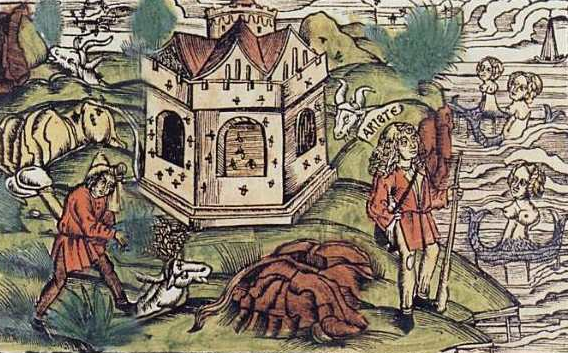
This persisting belief had ancient roots. The concept is called bugonia.
John Worlidge wrote:
That bees are insects, and that the most, if not all, of insects are sometimes engendered by putrefaction, is not by any denied; bees many times being engendered in the corrupted carcasses of beasts.1)John Worlidge, Apiarium: or, a discourse of bees … England: Thomas Dring, 1676.
That this idea persisted into the late 1600s is surprising, since people had been observing bees closely and writing treatises which even today still hold plenty of accurate and useful insights on bees.
The truth of this is that folks back then were seeing flies, hatched of maggots from eggs laid in rotting carcasses. And the idea of putrefaction as a source for honey bees, along with other insects, goes back to ancient times. Aristaeus was the Greek god of beekeeping, mead making, and honey production (along with cheesemaking and shepherds). I’ll share more on Aristaeus and bugonia in a future post.
References

